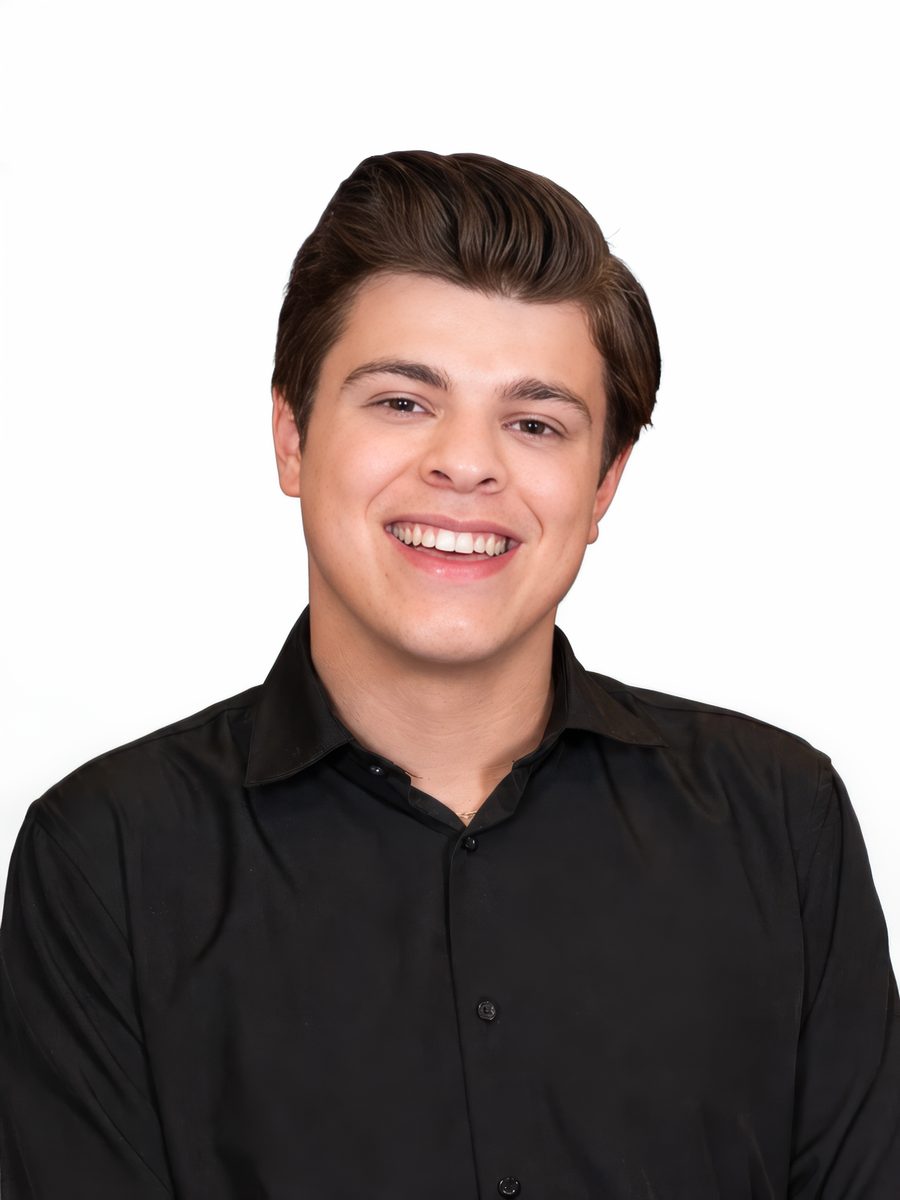
I’m Michael Rainwater.
I’ve tutored since 2020, and I still do every session myself.
I started in Alpharetta with a few families from my own high school. In 2024 I moved to Athens and transferred into the University of Georgia from Kennesaw State, where I’m now an Ecology and Environmental Law major. Nearly all of my tutoring is over Zoom, anywhere in the Eastern time zone and sometimes beyond it when the hours work, and it works better than most parents expect. In person in Athens is possible case by case, at a different rate.
Every student is a blank page until the data says otherwise.
Most tutors walk into a first session with assumptions already made about what a student knows and where they struggle. I do the opposite. I’m diagnostic forward: I get the data, get the numbers, figure out where we’re going, and let that inform every decision. There’s no set curriculum; I design everything from the ground up for each student. I call it the No Assumption method, and it exists because the surface problem is rarely the real one. A student who is “bad at math” may have a reading problem with word problems. A student who “can’t write” may never have been shown how to structure an argument.
The other thing I believe is that the work has to hold up under pressure. Understanding something at my table is the easy part. My students practice until it holds on test day, in the AP classroom, and in a lecture hall with two hundred people in it.
The students I’m best known for are twice-exceptional: gifted, and also ADHD or dyslexic or anxious, with grades that undersell them. The method was built around them first.
I transferred to UGA myself.
That’s why the transfer work matters to me.
Every year a wave of students starts at UNG, the Oconee campus, Georgia State, Kennesaw, or Athens Tech with one goal: get to Athens. I did it from Kennesaw, and I know where it goes wrong. A course that doesn’t count, a GPA that slips one semester too early, an application that doesn’t say what the admissions office needs to hear. That’s the work I’d put first if I had to pick one thing.
I’ve been a pianist since I was three.
It taught me how practice works.
In 2019 I won the Crescendo International Competition and played as a soloist at Carnegie Hall. I’ve been a featured soloist five times at the Tower of Talent concert for Children’s Healthcare of Atlanta, which has raised more than two million dollars for its music therapy program, released an album of piano and orchestra arrangements in 2020, and spoke at TEDxUGA in 2025 about water contamination and the communities that live with it. I’m building a project called Classical Not Classical now.
None of that makes me a better tutor by itself. What it gave me is a very clear idea of what deliberate practice looks like, how to break a hard thing into pieces you can actually drill, and what it feels like to perform under pressure. That’s the part I pass on.
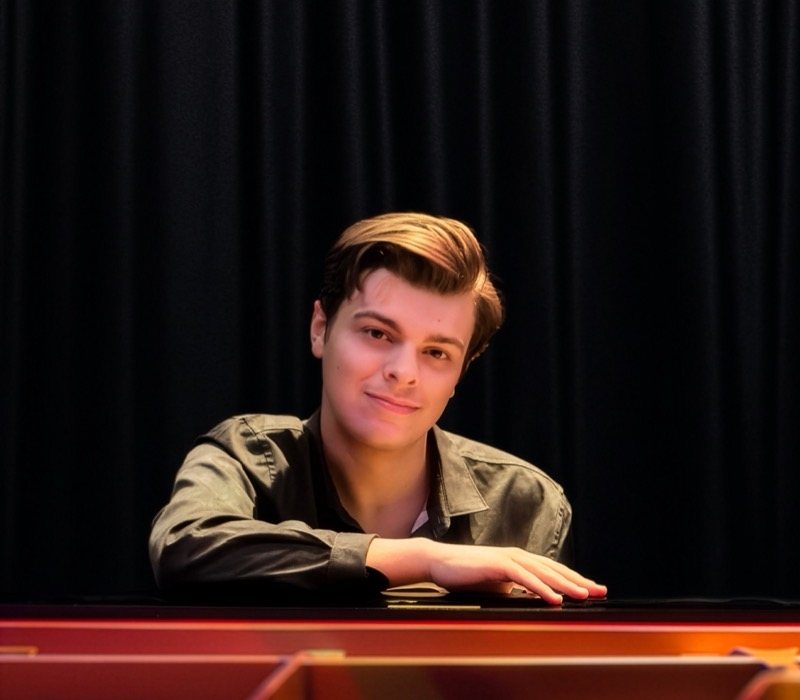
At the piano, 2026.
Plain facts, for the record
What families say
“His expertise in reading comprehension and writing has not only improved my son’s grades but also boosted his confidence in school. Michael has a unique ability to connect with students and make even the most challenging subjects feel approachable.”
Emily R, parent
“He recently began working with two of my younger cousins, and I’ve never seen a tutor so effectively capture their attention outside of school hours. Their confidence has grown, and their improved grades truly reflect the difference he’s making.”
Dante M, family member
“My 8th grade daughter used Michael for her pre-Algebra tutor. They did the lessons virtually, which worked out great as Michael used a split screen and could help her work out the problems easily online. He was friendly, attentive and could sympathize with her troubles and made learning easy for her.”
Jenny G, parent
“He is very kind, smart, patient, and one of the only reasons I was able to pass. He was always able to help out no matter the subject.”
Kenneth L, student